📍 Umatilla & Weirsdale, Florida   ·   By appointment   ·   New patients welcome (352) 669-3175

Weight care that treats you, not just a number.

Physician-supervised, evidence-based obesity medicine. Personalized treatment plans combining medical evaluation, lifestyle medicine, lab monitoring, and FDA-approved medication options when appropriate — built around your life, not against it.

From the practice

Obesity is a chronic medical condition, not a failure of willpower. You deserve care that reflects that.

6+
Years in internal medicine
100%
Personalized treatment plans
Serving Lake County, The Villages, and surrounding Central Florida communities.

Who this program is built for.

This program may be right for you if you

Common reasons patients come in
  • Have struggled with weight despite repeated diet attempts
  • Have prediabetes, diabetes, high blood pressure, PCOS, fatty liver, sleep apnea, or high cholesterol
  • Want physician-supervised medication options
  • Are worried about side effects and want careful monitoring
  • Want a long-term plan, not a crash diet

Who this is not for

A note on what we don't offer

This clinic is not designed for crash dieting, unsafe rapid weight loss, cosmetic-only weight loss, or medication without follow-up. We do not prescribe treatment without appropriate medical evaluation.

Three conversations, not a quick fix.

Sustainable weight care unfolds in three stages — each with a different purpose, each building on the last. This is what to expect from working together over time.

— The First Conversation
Intake Visit · ~45 min

Understanding you.

We sit down for the long version. Full medical and weight history, previous attempts, what's worked, what hasn't.

— The Second Conversation
4-Week Follow-up · ~15 min

Adjusting the plan.

The early weeks tell us a lot. We check what's working, what isn't, and recalibrate before small issues become big ones.

— The Ongoing Conversation
Every 3 Months · ~15 min

Long-term partnership.

Obesity is a chronic condition. Sustained care looks like regular, unhurried check-ins for as long as you need them.

Why physician-supervised weight loss?

Modern obesity medications are powerful tools — and like any powerful tool, they work best with the right hands guiding them. Direct physician involvement means medication choice fits your biology, dose titration is thoughtful, side effects are addressed early, and the metabolic conditions that travel with obesity are treated together. Weight care without medical oversight misses too much of the picture.

BMI is one data point. Not the whole story.

A starting point for a real conversation. Drag the sliders to see where you stand — then read what the number actually means.

4′ 10″6′ 8″
90 lbs400 lbs
Your BMI
27.4
Overweight

At 5′8″ and 180 lbs, your BMI is in the overweight range. It may be the right time for a conversation about your metabolic health — before it becomes harder.

Realistic outcomes with medical treatment
5–10%
9–18 lbs
over 3–6 months
Lifestyle & early treatment
10–15%
18–27 lbs
over 6–12 months
First-line medications
15–22%
27–40 lbs
over 12–18 months
GLP-1 / GIP therapy
Ranges drawn from STEP, SURMOUNT, Look AHEAD, and DPP trials. Individual results vary.
Start the conversation

BMI is a screening tool, not a diagnosis. Waist circumference, family history, and metabolic labs all matter.

Comprehensive weight & metabolic care.

Metabolic Health

Diabetes, Hypertension, Hyperlipidemia & Metabolic Syndrome

Screening for the metabolic conditions that often travel with obesity, with the goal of remission where possible and tighter control where not.

Behavior & Lifestyle

The Habits That Drive Weight Gain

Treating eating behaviors and habits that make you gain weight and not lose it — including, but not limited to, sleep, mood disorders, and the management of medications that affect weight.

Hormonal & Endocrine

Thyroid, PCOS, & Hormonal Drivers

Identifying and treating the underlying hormonal patterns that make weight loss harder — so the plan finally works.

Evidence-based options, carefully chosen.

The medications below are used in obesity medicine. The right one depends on your biology, your history, and your goals — and that's the conversation we'll have together.

GLP-1 Agonist · Injectable

Semaglutide

Also known as Wegovy (weight management) · Ozempic / Rybelsus (diabetes)
GLP-1 / GIP Agonist · Injectable

Tirzepatide

Also known as Zepbound (weight management) · Mounjaro (diabetes)
Combination · Oral

Phentermine-Topiramate

Also known as Qsymia
Combination · Oral

Bupropion-Naltrexone

Also known as Contrave
Lipase Inhibitor · Oral

Orlistat

Also known as Xenical · Alli
Off-Label · Oral

Metformin

Also known as Glucophage · Fortamet · Glumetza
About compounded medications When appropriate, we may discuss FDA-approved anti-obesity medications. If compounded medication options are discussed, patients are informed that compounded medications are not FDA-approved, are not reviewed by FDA for safety, effectiveness, or quality, and should only be obtained from appropriately licensed pharmacies. See our Medical Disclaimer for additional important information about compounded medications.
Program Pricing · Self-Pay

Transparent, all-inclusive monthly care for self-paying patients.

$ 300–400 / month
Typical range; specifics confirmed at intake.

What's included each month

Accepted Cash · Credit card
Credentials
  • Board-Certified, Internal Medicine
  • Board-Certified, Lifestyle Medicine
  • Board-Certified, Obesity Medicine
  • Aesthetic Medicine Trained
AMERICAN BOARD · OBESITY MEDICINE CERTIFIED DIPLOMATE ABOM
Obesity Medicine
AMERICAN BOARD · LIFESTYLE MEDICINE CERTIFIED DIPLOMATE ABLM
Lifestyle Medicine

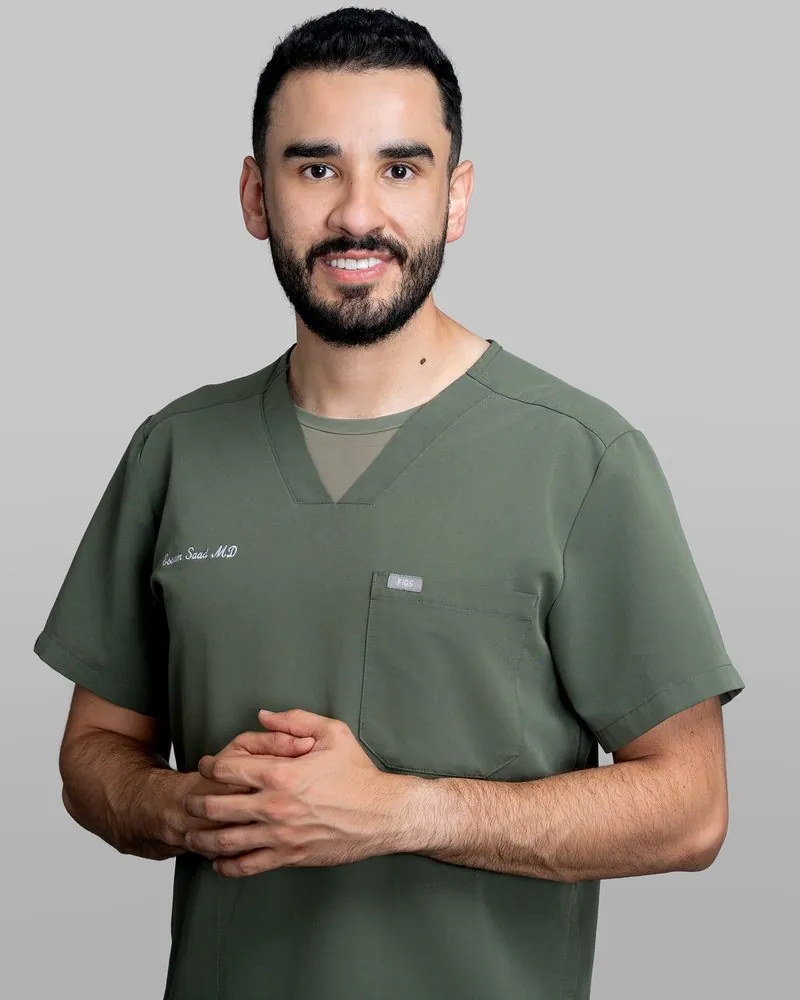
Dr. Essam Saad is a board-certified physician in Internal Medicine, Obesity Medicine, and Lifestyle Medicine.

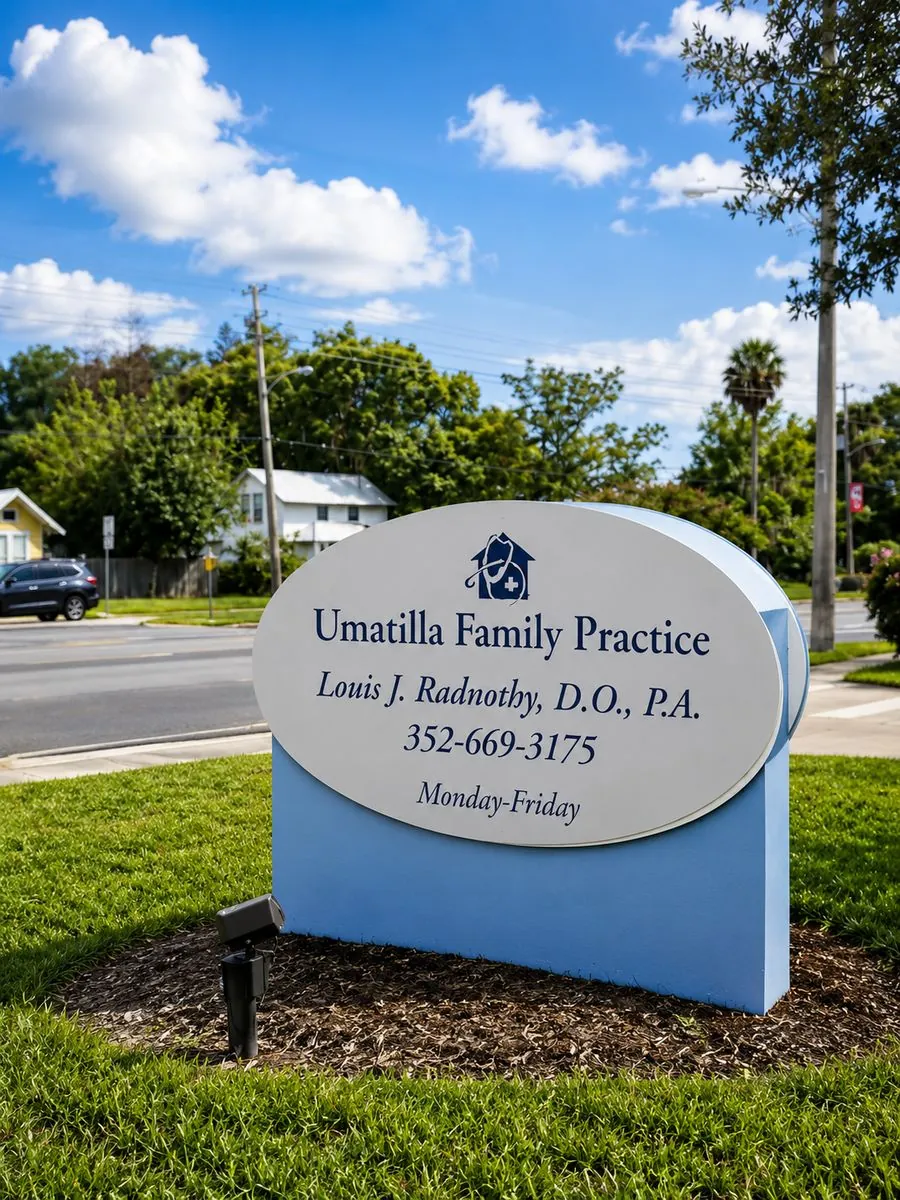
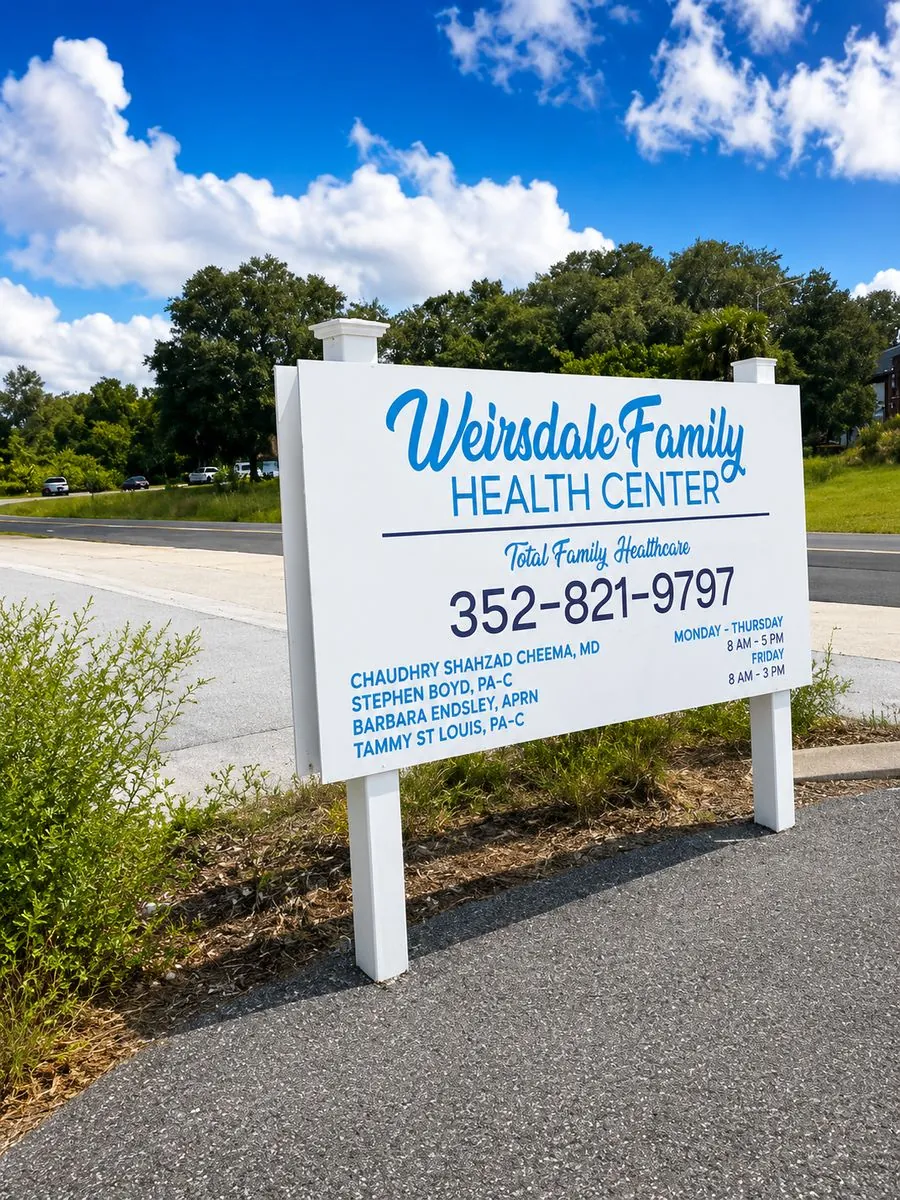
He provides compassionate, physician-supervised weight-loss care across two Central Florida locations — Umatilla Family Practice and Weirsdale Family Health Center — helping patients manage obesity, metabolic syndrome, insulin resistance, prediabetes, diabetes, high blood pressure, high cholesterol, PCOS, and other weight-related conditions.

His approach combines medical evaluation, lifestyle medicine, nutrition guidance, lab monitoring, and evidence-based medication options when appropriate. Dr. Saad believes obesity is a chronic medical condition — not a failure of willpower — and every patient deserves a personalized, respectful, and realistic plan for long-term health.

The questions patients actually ask.

Grouped by what's usually behind them. Each answer is evidence-based and kept short — bring the long versions to your visit.

I'm worried about the medications
Are GLP-1 medications like Wegovy and Zepbound actually safe?

GLP-1 and GLP-1/GIP medications have been used for nearly two decades — originally for type 2 diabetes, more recently for weight management. Research across more than 15,000 patients in the STEP and SURMOUNT trial programs has shown sustained, clinically meaningful weight loss with a manageable side-effect profile. Cardiovascular outcomes data from the SELECT trial showed a roughly 20% reduction in major cardiovascular events in patients with obesity and existing heart disease. No medication is risk-free, but the safety profile is now well-characterized after years of real-world use.

Research noteSTEP-1 (NEJM 2021), SURMOUNT-1 (NEJM 2022), SELECT trial (NEJM 2023).
What are the real side effects — not the scary internet ones?

The most common are mild and early: nausea, indigestion, constipation, occasional reflux. These almost always improve over the first 4–8 weeks as the body adapts and with careful dose titration. Less common but real: gallbladder issues, pancreatitis (rare), and dehydration if vomiting goes unmanaged. Most of the internet anxiety — "Ozempic face," excessive muscle loss — is really about how fast weight is lost, not the medication itself. Slower titration, adequate protein, and resistance training mitigate most of these concerns.

Research noteSide-effect profiles documented across STEP and SURMOUNT; muscle-mass guidance from the AGA Clinical Practice Update on Pharmacological Interventions for Obesity (2022).
What happens when I stop the medication?

Honest answer: most patients regain a meaningful portion of the weight when GLP-1 medications are stopped abruptly. The STEP-4 extension study showed roughly two-thirds of weight loss returned within a year of discontinuation. This isn't a willpower failure — it's the biology of how these medications work on appetite-regulating hormones. For many patients, obesity is treated more like hypertension: long-term medication is part of long-term control. We discuss this openly from day one so your long-term plan is yours, not imposed.

Research noteSTEP-4 extension (JAMA 2022); Obesity Medicine Association position on obesity as a chronic disease.
Will I lose muscle along with fat?

Some lean-mass loss happens with any significant weight reduction — diet, surgery, or medication. With GLP-1s, the proportion of lean mass lost is similar to other methods, typically 20–25% of total weight lost. The strategies that protect muscle are well-defined: adequate protein (roughly 1.2–1.6 g per kg of goal body weight), resistance training 2–3 times per week, and slower titration of the medication. We monitor for this and build it into the plan.

Research noteBody composition analyses from SURMOUNT and STEP trials; AGA practice guidance on protein and resistance training during pharmacotherapy.
I'm not sure I'll qualify
Do I have to have a certain BMI to start?

The FDA-approved threshold for most anti-obesity medications is a BMI of 30 or higher, or 27 with at least one weight-related condition — diabetes, hypertension, sleep apnea, dyslipidemia, and others. BMI is one screening tool, not the entire picture. Waist circumference, family history, metabolic labs, and overall health context all factor into the right plan. The conversation is always individualized.

Research noteFDA labeling for semaglutide, tirzepatide, and combination agents; AACE/ACE Obesity Algorithm.
I've tried diets my whole life and failed. Is this different?

Yes — and for a real, biological reason. Repeated weight cycling is not a character flaw. It's the body's biological defense of its highest weight, driven by hormones like leptin, ghrelin, and GLP-1 itself. Research has shown that diet alone fails long-term in roughly 80% of patients — not because of weak willpower, but because the body adapts metabolically and hormonally to defend prior weight. Anti-obesity medications work at exactly the level where diets fail: appetite signaling and metabolic adaptation. That's the difference.

Research note"Long-term persistence of hormonal adaptations to weight loss" (NEJM 2011); Obesity Society clinical practice guidelines on obesity pharmacotherapy.
What if I have diabetes, high blood pressure, or PCOS?

These conditions often travel together with obesity — and treating obesity often improves them, sometimes substantially. Many medications used in obesity medicine (especially GLP-1 agonists and metformin) treat both directions at once. The DiRECT trial showed that significant weight loss can lead to remission of type 2 diabetes in a meaningful subset of patients. For PCOS, weight reduction can restore ovulation and improve fertility. We treat these together, not in silos.

Research noteDiRECT trial (Lancet 2018); Endocrine Society guidelines on PCOS; ADA Standards of Care in Diabetes.
The bigger questions
How long until I see results?

Most patients see initial weight loss within 4–8 weeks. The full medication dose is typically reached over 3–5 months through gradual titration, and significant weight loss (10–20% of body weight) usually unfolds over 6–12 months. Faster is not better. A sustainable rate of about 1–2 pounds per week protects muscle, minimizes side effects, and is more likely to last.

Research noteTime-to-clinically-meaningful-weight-loss curves from STEP and SURMOUNT; AGA practice update on pharmacotherapy.
What if I hit a plateau?

Plateaus are expected, not a sign of failure. They typically appear every 6–12 weeks as the body adapts metabolically — what researchers call adaptive thermogenesis. Strategies depend on the cause: medication dose adjustment, protein and resistance training tweaks, sleep optimization, addressing a missed thyroid or hormonal driver, or simply patience and trust in the protocol. Plateaus are a normal part of the partnership, not the end of it.

Research noteAdaptive thermogenesis is well-characterized in the Obesity Society clinical practice guidelines; AACE Obesity Algorithm includes plateau-management strategies.
Is this a forever thing?

For most patients with obesity as a chronic condition, yes — much like treating hypertension or diabetes long-term. The medication is not a 6-month diet pill. Some patients can eventually transition to lower maintenance doses, or off medication entirely while sustaining their loss with lifestyle strategies. Many won't, and that is medically reasonable. The major medical societies — Obesity Medicine Association, AACE, the Obesity Society — all recommend treating obesity as a chronic disease that may require ongoing management. We decide the long-term plan together, transparently.

Research noteObesity Medicine Association and AACE position statements on chronic disease management; The Obesity Society clinical practice guidelines.
How often do I need follow-up visits?

The typical cadence is an intake visit (~45 minutes), a follow-up at 4 weeks (~15 minutes) to check tolerance and adjust the dose, then every 3 months thereafter while on therapy. Some patients need closer monitoring early on — for example, during fast dose titration, when starting alongside diabetes or blood-pressure medications, or when side effects are active. The schedule flexes with where you are in treatment.

Insurance, cost & coverage
Does the practice take insurance, or is it self-pay?

The obesity medicine program is a self-pay practice. The monthly program fee covers physician consultations, prescription management, counseling, and ongoing follow-up — all delivered directly, without going through insurance for visits. Cash and credit card are accepted. The medication itself is billed separately by your pharmacy or through manufacturer cash-pay programs, and insurance coverage for the medication is handled directly with your insurer.

Will my insurance cover GLP-1 medications?

Coverage for anti-obesity medications varies by plan. Some commercial insurers cover medications like Wegovy and Zepbound when documented medical criteria are met; others do not. Medicare currently does not cover anti-obesity drugs purely for weight loss, though coverage may apply for related conditions such as type 2 diabetes (Ozempic, Mounjaro) or obstructive sleep apnea in adults with obesity (Zepbound). Florida Medicaid coverage is also limited. Most patients should plan to verify benefits directly with their insurer before starting.

Do you submit prior authorizations?

Yes. Prior authorizations are submitted when a medication requires one and your clinical picture supports it. We document the medical criteria — BMI, weight-related conditions, prior treatment attempts, lab findings — that insurers typically require for approval of anti-obesity medications.

What if my insurance denies coverage?

If coverage is denied, we discuss alternative FDA-approved medications, manufacturer savings programs, and other options. Appeals are pursued when there's a reasonable clinical case. We don't pretend insurance always cooperates — but we work the problem with you.

Can I use cash-pay pharmacy options?

Yes. Manufacturer cash-pay programs (LillyDirect for Zepbound, NovoCare for Wegovy) are reasonable alternatives for some patients and are discussed openly when relevant. The medication monthly cost through these programs varies; verifying current pricing directly with the manufacturer is recommended before starting.

Share your experience.

Your feedback helps us improve. Reviews are submitted anonymously — no name, email, or identifying information is collected. Please keep your feedback general and do not include medical details.

Please do not include any names, dates of birth, medical record details, medications, doses, lab values, or other personal health information. Your submission is anonymous and is reviewed privately by the practice. Submissions are not automatically posted on this website.

Schedule your first visit.

Booking takes about two minutes. You'll receive intake paperwork and pre-visit instructions by email. Obesity medicine visits are currently available on Mondays by appointment.